The Erosion of Cash in the UK Is Accelerating
Thursday July 01, 2021
Cash has become an afterthought in the United Kingdom with the rise of cashless payments partially influenced by sanitation concerns due to the pandemic.
The Erosion of Cash in the UK Is Accelerating
Cash has become an afterthought in the United Kingdom with the rise of cashless payments partially influenced by sanitation concerns due to the pandemic.
A 2021 Global Payments Report which examines current trends and forecasts future trends found that digital commerce has gained momentum globally, predicting the UK will be cashless as soon as 2024.
The growth in online sales caused by COVID-19 added roughly £5.3 billion to UK ecommerce sales, swelling to a total £78.9 billion in 2020. Retail stores were forced to close their doors during government lockdowns and suffered major economic damages as a result.
In spite of this trend, there are still two million people in the UK that rely on cash for everyday transactions. Approximately one million of whom do not have access to a bank account.
While digital payments have become the norm, physical cash will still provide those lacking access to a bank account a medium of exchange. This could change with non-cash mobile payment applications.
Mobile Payment Applications Rise in Popularity
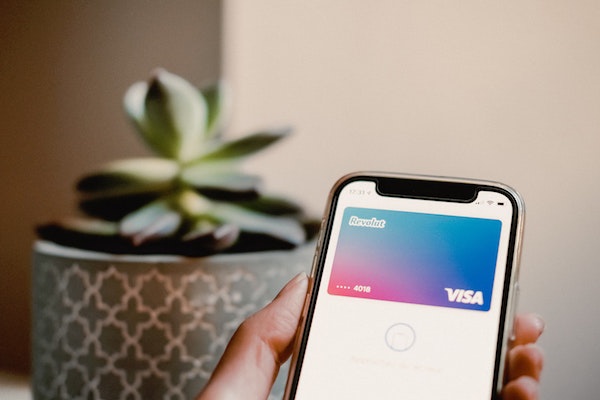
Although the use of cash may have already been on the downturn, COVID-19 was the straw that broke the camel's back for cash payments. Replacing cash with non-cash electronic payment systems like credit cards, debit cards and mobile apps.
The Worldpay Global payments report also suggested that by 2024 nearly half of cashless payments will come from mobile apps. Business owners are adopting non-cash payments with popular applications such as Paypal, Venmo and Cash App.
An interesting case study is Saricom, a Kenyan mobile phone network that introduced a form of mobile money called “M-Pesa” in 2007. It was originally intended to be a workaround for Kenyans moving to urban areas to send back money to their rural homesteads. Overall, this campaign was a huge success for lower-income groups by 2016, when there were approximately 31.6 million mobile money accounts.
75% of Kenyans had a form of financial services in 2017, up from 27% in 2006. Perhaps this model of mobile cash could be applied to help those still relying on physical cash in order to prevent the bankless from getting left behind.
Could Digital Currencies Be Next To Benefit?
Digital currencies, like Bitcoin, use blockchain and distributed ledger technology to facilitate peer-to-peer payments without the need of central banks or administrators.
Mobile applications like PayPal, Cashapp and Venmo that were previously mentioned have already added cryptocurrencies to their payment arsenal. However, additional service fees are tacked on to purchases in addition to transaction fees.
Despite the fact that the governor of the Bank of England has said cryptocurrencies have “no intrinsic value” and those who invest in them should be “prepared to lose all of their money”. Coincidentally, the Bank of England is exploring the possibility of creating their own digital currency known as “Britcoin.”
Britcoin would effectively become a central bank digital currency (CBDC) utilizing technology to represent a country’s official currency in digital form. Unlike regular cryptocurrencies that are decentralized and open source, a CBDC would be subject to strict regulations and centralized around the Bank of England.
With a noticeable shift towards digital payments, mobile application platforms stand to gain the most from a cashless society moving forward.