How to Grow Your Ecommerce Business by Adding Payment Options
Monday June 15, 2020
In the past, online commerce was dominated by businesses selling intangible products and services. Think software, consulting and digital marketing. Thankfully that’s no longer the case, with a suite of beginner-friendly tools enabling anyone to spin up a site and get selling. Unless your business is more about selling your time – a barbershop for instance – there’s no reason why you shouldn’t be able to expand into new territories and markets.
How to Grow Your Ecommerce Business by Adding Payment Options
In the past, online commerce was dominated by businesses selling intangible products and services. Think software, consulting and digital marketing. Thankfully that’s no longer the case, with a suite of beginner-friendly tools enabling anyone to spin up a site and get selling. Unless your business is more about selling your time – a barbershop for instance – there’s no reason why you shouldn’t be able to expand into new territories and markets.
To do so, you’ll need to tailor your website accordingly by detailing your shipping methods and localising your site with different language, payment options and currencies. This latter point is crucial, since almost half of consumers are likely to abandon a purchase upon discovery of USD-only pricing. With that said, more than one in two global online shoppers make purchases on foreign websites – so your physical location shouldn’t really matter.
Simplifying cross-border payments
The global cross-border ecommerce market was worth $562.1 billion in 2018 and is forecasted to reach around $4.8 trillion by 2027. At present, 67% of global consumers who shop abroad do so precisely because prices are lower outside of their own country, meaning one in three consumers do so for other reasons – the quality of the products or services offered, for example, or the UX of the web portal.
As mentioned, many consumers will abandon their cart if an ecommerce site offers just one currency. Similarly, many will give up if their preferred payment method isn’t available, or if the payment process is overly convoluted. With the typical ecommerce store losing over 75% of sales due to cart abandonment, these are aspects any sensible business will want to address.
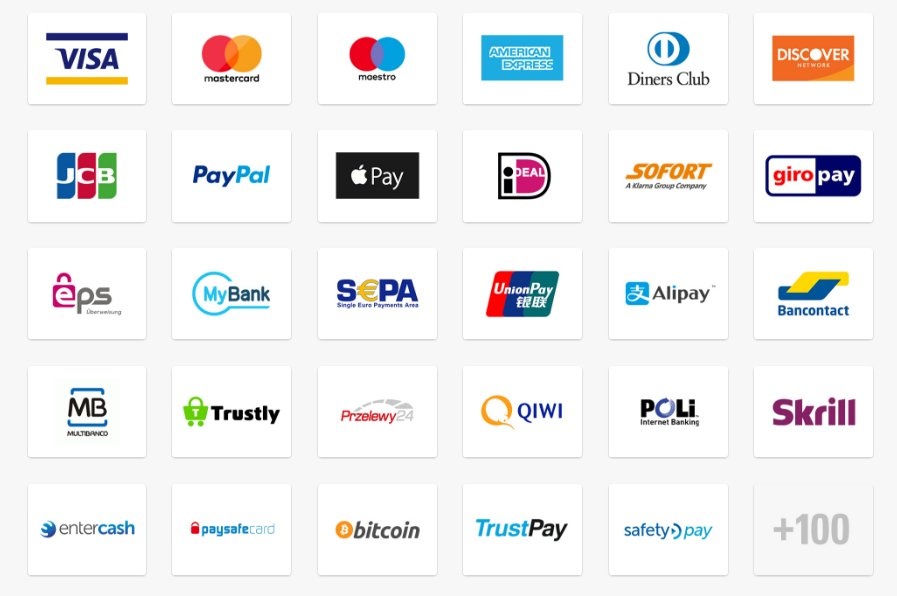
Rather than simply accepting debit and credit cards, businesses wishing to sell internationally should embrace alternative payment methods where possible. That means PayPal, AliPay, Square, Stripe, Apple Pay and Google Pay. According to Stripe, ecommerce platforms that have integrated its gateway have experienced 81% fewer outages and 24% less operating costs versus competing payment methods.
Some merchants have also started permitting payment in cryptocurrencies, integrating plugins like BitPay and 8Pay to do so. As of 2020, there are almost 50 million crypto wallet users, with the number expected to grow massively in the years to come.
The importance of market research
Of course, it’s vital to undertake market research prior to opening your business up to the global market. You will want to assess cultural preferences to ensure every box is ticked, since no two countries are the same. In Germany, for instance, bank transfers remain the favoured method of payment, while in Italy the majority of purchases are made digitally. In countries where credit card ownership is low, cash is still king; and so you’ll want to think about whether you can accept cash on delivery.
Expanding your accepted payments is a no-brainer if you’re looking to reach customers beyond your geographical borders. Make sure your online payment systems lower barriers rather than raising them and you’re sure to succeed.